
Caregiver Burnout and Equipment That Makes Daily Care Easier


Caring for someone who is ill, elderly, or recovering from surgery is often described as one of the most meaningful acts of compassion. Yet, it can also be physically demanding, emotionally exhausting, and mentally overwhelming. Caregivers frequently report feeling drained, anxious, and stressed, and the cumulative effect of these pressures is now recognized as caregiver burnout. Burnout can have serious consequences, not only for the caregiver’s health, but also for the quality of care provided to the patient. Fatigue, chronic stress, and musculoskeletal injuries are common, and left unaddressed, these factors can lead to reduced attention to patient needs, accidental injuries, or even hospitalization of the caregiver.
Researchers and healthcare professionals increasingly agree that preventing caregiver burnout requires more than emotional support and respite care; it also requires practical tools that make daily caregiving tasks safer and more efficient. Medical equipment designed to assist with mobility, lifting, hygiene, and patient comfort can significantly reduce physical strain, minimize the risk of injury, and allow caregivers to dedicate more energy to compassionate, attentive care.
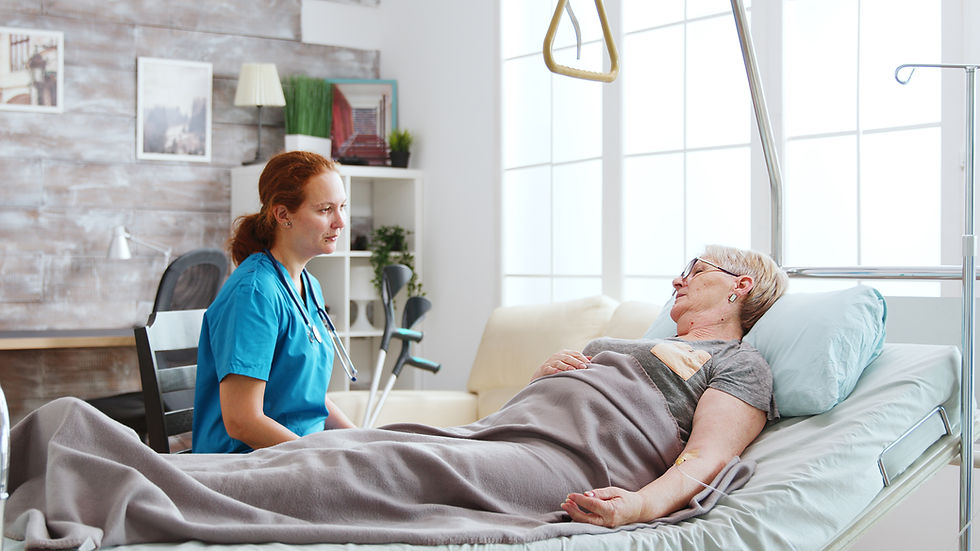
One of the most essential pieces of equipment in a home care setting is the electric hospital bed. Unlike a traditional bed, an electric hospital bed allows for adjustment of height, head position, and foot position at the touch of a button. For caregivers, this feature dramatically reduces the need to bend, lift, or awkwardly reposition the patient, which are leading causes of back and shoulder injuries. For patients, adjustable positioning enhances comfort, aids circulation, and supports mobility and hygiene tasks. Beds that can be raised and lowered precisely also facilitate the use of other equipment, such as trapeze bars or transfer devices, creating a safer and more manageable environment for everyone involved.
Trapeze bars represent another important tool in the prevention of caregiver burnout. These bars, suspended above the patient’s bed, allow patients to pull themselves up or shift positions independently. By promoting patient mobility and engagement in self-care, trapeze bars reduce the need for caregivers to perform repetitive manual lifting or repositioning. This not only protects caregivers from musculoskeletal strain but also fosters patient confidence and autonomy, which are critical for maintaining physical strength and emotional well-being during recovery.
Bathrooms are among the most hazardous areas in the home for both patients and caregivers, making tub and toilet rails a vital component of home care. These rails provide stable support for patients during bathing and toileting, reducing the need for caregivers to physically hold or lift the patient. In addition to enhancing safety, rails allow patients to perform hygiene tasks independently when possible, which decreases the caregiver’s workload and allows them to allocate attention to other aspects of care. The presence of these supports has been shown to significantly lower the incidence of falls and injuries in home care environments, which are common sources of stress and burnout.
A Geri chair, also known as a medical recliner, combines comfort with functional support for patients who require prolonged sitting or mobility assistance. Designed with ergonomics in mind, Geri chairs allow patients to rest, eat, or receive care in a reclined and supported position. Many models include wheels, which permit safe transfers from one area to another without lifting, further reducing the physical demands on caregivers. For patients, the chair provides stability, comfort, and a sense of independence. For caregivers, it serves as an essential tool to manage daily routines efficiently and safely, without risking fatigue or injury.
The benefits of using proper equipment extend beyond physical relief. Caregivers who rely on mechanical aids for lifting, positioning, and support report reduced stress and increased ability to focus on the emotional and social aspects of care. When repetitive strain is minimized, caregivers can provide more attentive and compassionate support, creating an environment in which patients feel safer, more comfortable, and better cared for. In essence, equipment that assists with daily tasks is not merely a convenience, it is a critical component of sustainable, high-quality caregiving.
Addressing caregiver burnout is a multidimensional challenge, requiring both recognition of the physical and emotional demands of care and the implementation of strategies to reduce those demands. Incorporating the right equipment into home care routines represents one of the most effective and practical approaches. Adjustable beds, trapeze bars, safety rails, and Geri chairs all contribute to a safer, more efficient caregiving experience. These tools empower caregivers to perform their duties with less strain and greater confidence, ultimately improving outcomes for both caregivers and patients.
Preventing caregiver burnout is not just about supporting the caregiver; it is about ensuring that the patient receives attentive, consistent, and safe care. By integrating equipment that supports mobility, safety, and independence, caregivers can maintain their own health while fostering an environment where patients can thrive. This approach transforms caregiving from an overwhelming responsibility into a sustainable practice rooted in compassion, safety, and practical support.




Comments